ECPS
Mission, Vision & Purpose
ECPS provides infrastructure, procurement and project management services for a sustainable world.
Our Mission & Focus
PEOPLE & PLANET FOR PEACE & PROSPERITY
Our mission is to help people build better lives and countries achieve peace and sustainable development.
World Peace Through Sustainable Development
To experience and channel peace
Through Heartfulness Foundations, we cultivate inner peace as the foundation for global harmony.
Heartfulness FoundationsTo Celebrate Life in all its diversity
Embracing and honoring the rich tapestry of human cultures, traditions, and perspectives.
Unity in DiversityCo-creating livelihood opportunities for life on the planet
Building sustainable economic opportunities that support both human prosperity and environmental stewardship.
Sustainable Prosperity🌍 Global Development Initiative
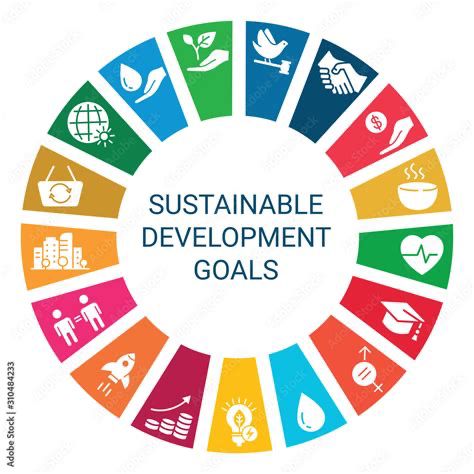
MOBILIZING international support for implementation of the UN SDG 2030 and PFF (Pact for the Future) adopted by the UN General Assembly in 2024.
INVITING partners to implement and support the Global Development Agenda 2030 on SDGs and PFF.
Supporting Least Developed Countries (LDCs)
ECPS is committed to supporting the 46 countries currently designated by the United Nations as Least Developed Countries (LDCs). These nations face the most severe development challenges and require specialized international support to achieve sustainable growth and human development.
What are LDCs?
Least Developed Countries are nations characterized by low income, weak human assets, and high economic vulnerability. The UN Committee for Development Policy reviews this list every three years.
Key Challenges
LDCs face: Extreme poverty, Limited infrastructure, Weak institutions, Low human development indicators, and High vulnerability to external shocks.
Official Resources & Information
Current LDCs by Continent (46 Countries):
Africa (33 countries)
Angola, Benin, Burkina Faso, Burundi, Central African Republic, Chad, Comoros, Congo (Dem. Rep.), Djibouti, Eritrea, Ethiopia, Gambia, Guinea, Guinea-Bissau, Lesotho, Liberia, Madagascar, Malawi, Mali, Mauritania, Mozambique, Niger, Rwanda, Sao Tome and Principe, Senegal, Sierra Leone, Somalia, South Sudan, Sudan, Tanzania, Togo, Uganda, Zambia
Asia (9 countries)
Afghanistan, Bangladesh, Bhutan, Cambodia, Lao PDR, Myanmar, Nepal, Timor-Leste, Yemen
Oceania (4 countries)
Kiribati, Solomon Islands, Tuvalu, Vanuatu
Americas (1 country)
Haiti
ECPS Support for LDCs
ECPS provides comprehensive support to LDCs through: Infrastructure development programs, Institutional capacity building, Human resource development, Technology transfer initiatives, Economic diversification support, and International partnership facilitation to help these nations achieve sustainable development and eventual graduation from LDC status.
Supporting Landlocked Developing Countries (LLDCs)
ECPS recognizes the unique challenges faced by 32 Landlocked Developing Countries (LLDCs). These countries face geographical disadvantages that significantly impact their trade, economic growth, and development prospects.
What are LLDCs?
Landlocked Developing Countries are developing nations that lack territorial access to the sea. They face higher transport costs, limited trade opportunities, and reduced access to global markets, making economic development more challenging.
Key Challenges
LLDCs face: High transport costs, Limited trade access, Dependency on transit countries, Reduced foreign investment, and Limited access to marine resources.
Official Resources & Information
Current LLDCs Include:
Afghanistan*, Armenia, Azerbaijan, Bhutan, Bolivia (Plurinational State of), Botswana, Burkina Faso, Burundi, Central African Republic, Chad, Ethiopia, Kazakhstan, Kyrgyzstan, Lao People's Democratic Republic, Lesotho, Malawi, Mali, Mongolia, Nepal, Niger, Paraguay, Republic of Moldova, Rwanda, South Sudan, Swaziland, Tajikistan, The former Yugoslav Republic of Macedonia, Turkmenistan, Uganda, Uzbekistan, Zambia, and Zimbabwe.
* Afghanistan is both an LDC and LLDC, facing the most severe development challenges.
ECPS Support for LLDCs
ECPS provides specialized support to LLDCs through: Infrastructure development, Trade facilitation programs, Regional connectivity projects, Capacity building initiatives, and Partnership development to help overcome geographical constraints.
Supporting Least Developed Island Nations
ECPS is committed to supporting the unique challenges faced by Least Developed Island Nations. These countries face distinct vulnerabilities including climate change impacts, limited resources, and geographical isolation that require specialized development approaches.
What are Island LDCs?
Least Developed Island Nations are small island countries categorized as LDCs due to low human development indicators, economic vulnerability, and limited GNI per capita. They face unique challenges including climate change, natural disasters, and resource constraints.
Key Vulnerabilities
Island LDCs face: Climate change impacts, Rising sea levels, Natural disasters, Limited land area, Resource constraints, and Geographical isolation.
Official Resources & Information
Current Island LDCs Include:
Kiribati
An island nation in the central Pacific Ocean, Kiribati faces challenges related to climate change, particularly rising sea levels, and limited natural resources.
Samoa
Located in the South Pacific, Samoa has a small, open economy that is vulnerable to external shocks like natural disasters and global economic downturns.
Solomon Islands
This island nation in the southwestern Pacific is grappling with challenges related to political instability, natural resource management, and economic diversification.
Tuvalu
A Polynesian island nation, Tuvalu is highly vulnerable to climate change and sea-level rise, with limited land area and resources.
Vanuatu
Situated in the southwestern Pacific, Vanuatu is prone to natural disasters, such as cyclones and earthquakes, and faces challenges related to infrastructure development and economic diversification.
ECPS Support for Island LDCs
ECPS provides specialized support to Island LDCs through: Climate resilience programs, Disaster preparedness initiatives, Sustainable resource management, Infrastructure development, Capacity building, and Regional cooperation projects to address their unique challenges.
Our Vision
Our vision is a world where people can live full lives supported by sustainable, resilient and inclusive infrastructure and by the efficient, transparent use of public resources in procurement and project management.
We envision a future where communities thrive through sustainable development, where peace and prosperity are accessible to all, and where environmental protection goes hand in hand with human progress.
Our Purpose
We help people build better lives and countries achieve peace and sustainable development.
We bring to this task the values and principles of the United Nations and the innovation, boldness, speed and efficiency of a self-financed institution.
We bring the highest international standards to what we do, while respecting local contexts. We do this as our contribution to tackling the huge challenges of the 21st century.
We provide practical solutions to assist our partners to save lives, protect people and their rights, and to build a better future.
What drives us is a passion to fight inequalities and to provide opportunities to those most vulnerable. This means we often work in the most challenging environments, building foundations for countries and communities to achieve peace and sustainable development.
We are passionate about quality: In our people and in what we do.
We earn the trust of those we work with by caring about what they value, and by delivering on our promise to always act in the service of people in need.
Our Values
Partnerships
We recognize that strong partnerships and effective coordination among diverse actors is crucial to efficiency and innovation.
Excellence
We add value to our partners' results when our practices and performance are of high quality and are well-adapted to local conditions.
Accountability for Results and Transparency
We seek to help our partners exercise their accountability. We believe better use of public resources can have a transformational effect – helping to enhance transparency, empower institutions and promote peace and sustainable development.
Developing Skills, Building Capacity
We respect and support national ownership and help develop local and national capacity. This is the foundation for sustainability.